
You just had an amazing workout at the gym an hit your new personal record. You feel great… until the next day. Now your muscles are aching, and even simple movements like walking upstairs feels painful.
But WHY?
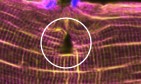
The soreness you feel after a workout is called DOMS, which stands for Delayed Onset Muscle Soreness. It’s actually a sign that your muscles are adapting and getting stronger! When you exercise, especially if you’re doing something new or intense, you create tiny micro-tears in your muscle fibers. This might sound bad, but it’s actually part of how muscles grow. Your body responds by repairing these tears, which makes the muscles stronger and bigger over time.
The Repair Process
After the micro-tears happen, your body initiates an inflammatory response. Your immune system sends white blood cells to the damaged area, and fluid accumulates around the muscles. This inflammation causes the soreness and stiffness you feel, usually 24 to 72 hours after your workout. The soreness is temporary and actually means your body is working hard to repair and strengthen those muscles. Without this process, your muscles wouldn’t adapt to the demands you’re placing on them.
Fun Fact: More Exercise = Less Soreness
Here’s an interesting fact: as you continue to exercise regularly, your muscles become better at handling the stress, and you experience less soreness over time. This is why the first time you try a new exercise is usually the most painful, but by the third or fourth time, the soreness is much milder. Your body is learning and adapting!
Summary
Muscle soreness after a workout (DOMS) is caused by tiny micro-tears in muscle fibers during intense or new exercise. Your body responds with inflammation as it repairs these tears and builds stronger muscles. The soreness typically peaks 24 to 72 hours after your workout and is actually a sign that your body is adapting and getting stronger. While it might be uncomfortable, it’s part of the natural process of building muscle!
Sources:
- PhysioPedia – Delayed Onset Muscle Soreness
- NIH (PUB MED) – Delayed onset muscle soreness: treatment strategies and performance factors
- Science Direct – Delayed Onset Muscle Soreness
- NIH (PUB MED) – Mechanisms of exercise-induced delayed onset muscular soreness: a brief review
Do you experience a lot of soreness after workouts? What’s the most sore you’ve ever been after exercise? Share your experiences and recovery tips in the comments!

 WiseWhys
Leave a reply to ksyamonline Cancel reply