
You’re sitting in a classroom waiting for the bell to ring, and the teacher is lecturing about something you find incredibly boring. You glance at the clock—only 5 minutes have passed, but it feels like 20! Later that day, you’re hanging out with your friends playing video games or watching a movie, and suddenly 2 hours have flown by. It feels like it was only 15 minutes!
But WHY?
Time doesn’t actually move faster or slower—our perception of time changes based on how much attention we’re paying and how engaged our brain is. When you’re bored, your brain isn’t focused on anything interesting, so it pays close attention to the passage of time itself. You notice every second ticking by. When you’re having fun, your brain is completely absorbed in what you’re doing, so it’s not monitoring time at all. Your brain is so busy processing enjoyable activities that time seems to just disappear!
The Role of Attention and Memory
Here’s something fascinating: our sense of time is closely linked to memory formation. When you’re doing something exciting and engaging, your brain is actively creating detailed memories of what’s happening. This keeps your attention fully occupied. In contrast, when you’re bored, your brain isn’t creating many new memories because nothing interesting is happening. Boring moments all blend together, making the experience feel stretched out. Later, when you look back, fun activities seem to have passed quickly because your brain compresses them in memory—there weren’t as many distinct moments to remember!
Why Does Our Brain Actually Track Time?
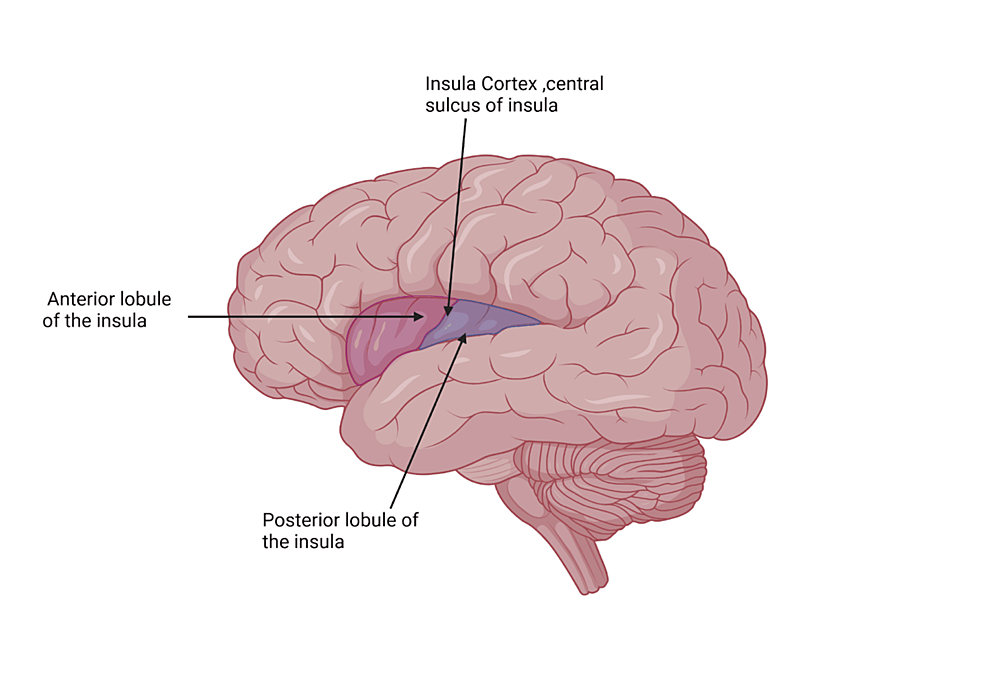
An interesting thing to consider: your sense of time exists in a part of your brain called the anterior insula. This area helps you feel the passage of time when you’re not distracted. But when you’re focused on something engaging, your brain resources are directed toward that activity instead of monitoring time. It’s like your brain has limited attention to share, and it chooses to spend it on what matters most in that moment. This is why time flies when you’re having fun and crawls when you’re bored.
Summary
Time feels slower when you’re bored because your brain is focused on tracking time itself, while time feels faster when you’re having fun because your brain is too busy enjoying the activity to notice time passing. Boredom creates a lot of separate moments that feel extended, while engaging activities compress time in your memory. Your anterior insula monitors time, but only when your brain isn’t occupied with something more interesting. It’s a clever feature of human perception that makes enjoyable moments feel fleeting and boring ones feel endless!
Sources:
NIH PubMed Central – The Effect of Attention on Time Estimation
Frontiers in Psychology – Subjective Time and Neural Markers
Scientific American – Why Time Flies
Nature Neuroscience – Memory and Time Perception
Have you noticed how differently time moves depending on what you’re doing? Can you think of a time when you were so bored that the hours felt like days? Or when you were having so much fun that you lost track of time completely? Let me know in the comments!
 WiseWhys
Leave a comment